
 Family owned and operated since the very beginning!
Accredited Since: 3/12/2001
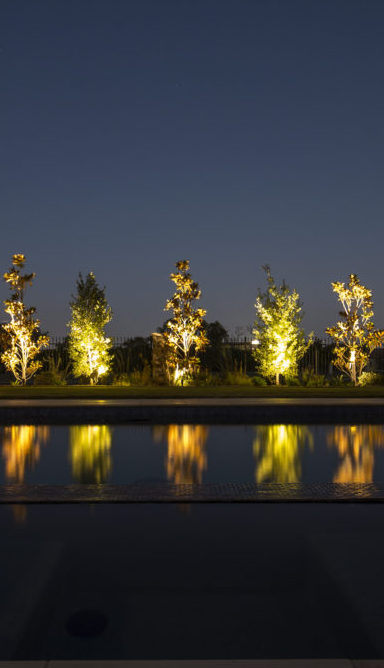
UPlighting
Lights aimed upwards to create a dramatic effect.

MOONLIGHTING
Lighting units mounted high in trees to simulate the charming effect of moonlight filtering through branches.
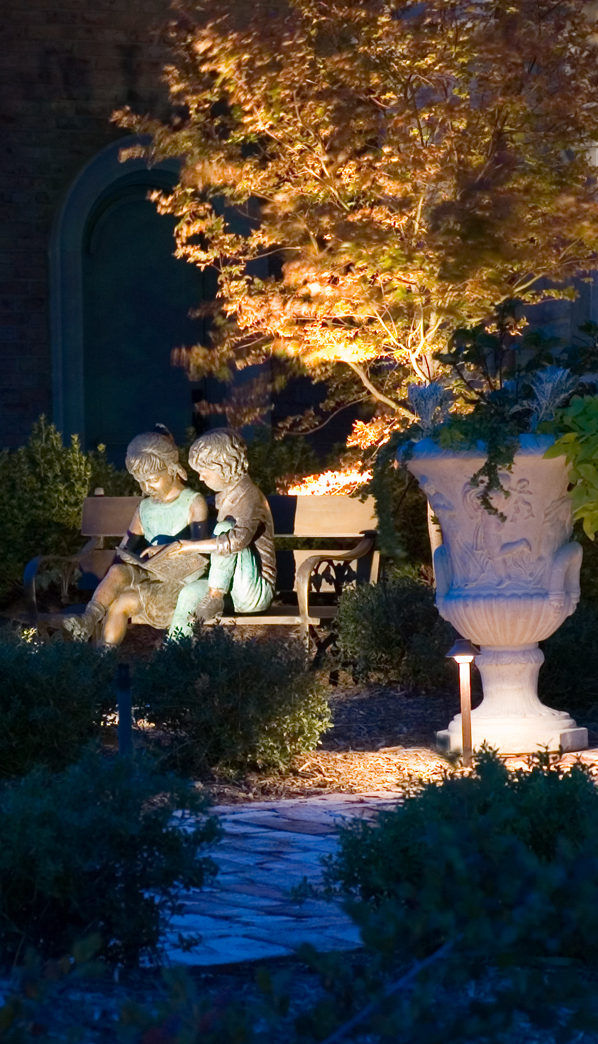
ACCENT LIGHTING
Lights that focus a controlled intense beam to highlight the focal points in your garden.
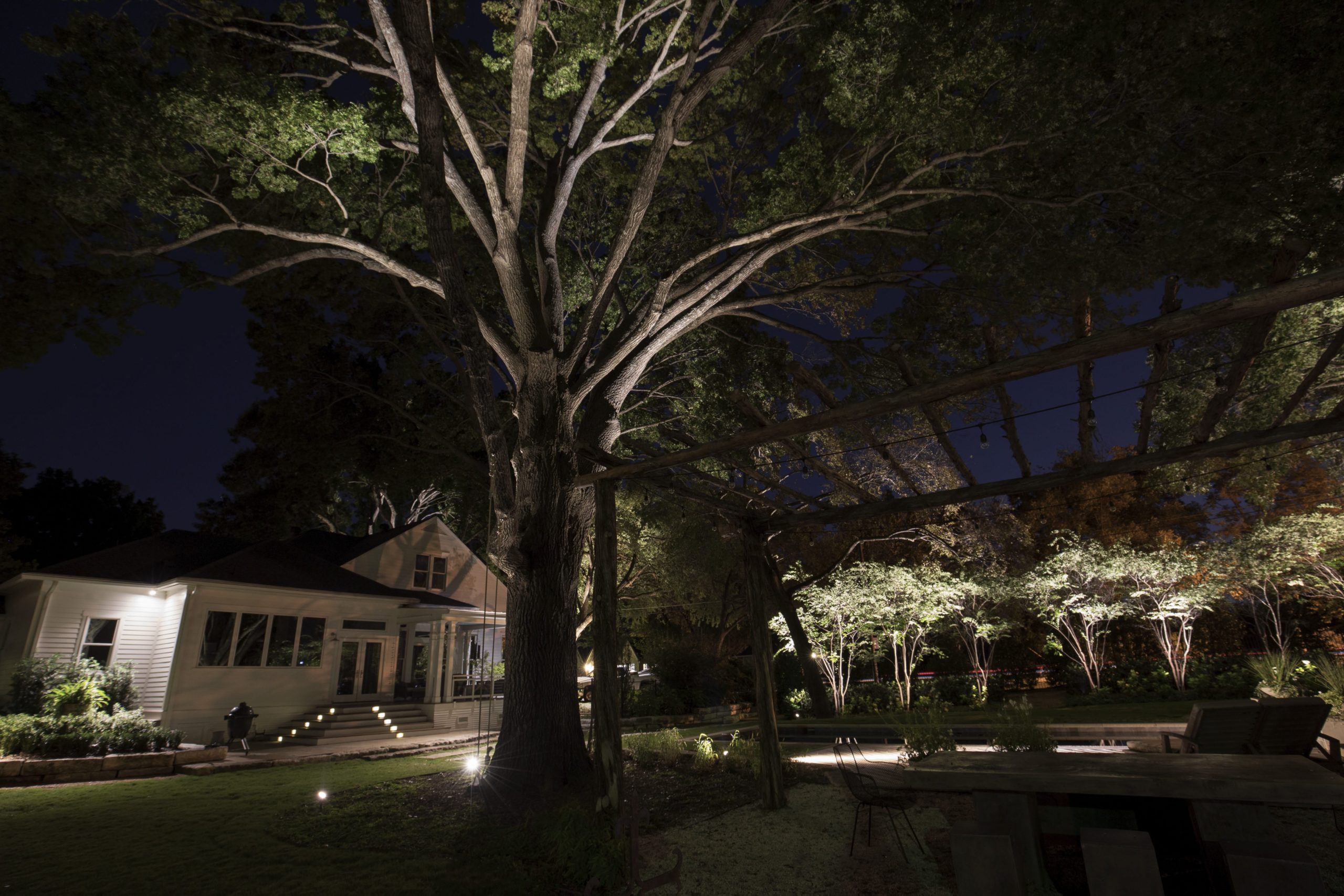
SHADOWING
Lights an object from the front and below to project intriguing shadows on the wall.
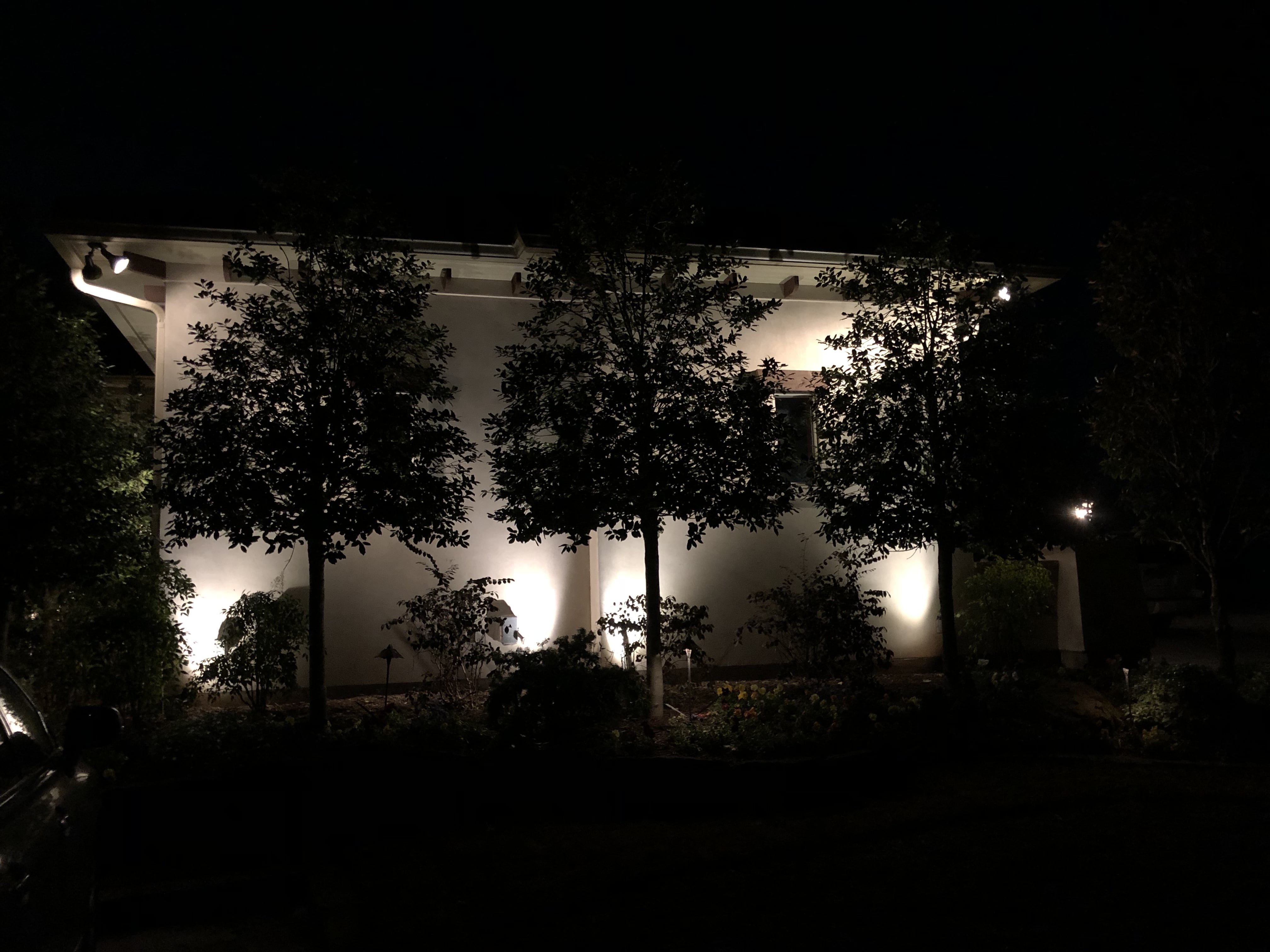
Silhouetting
Lights concealed behind and below a tree or bush to create a magical outline from the backlighting.
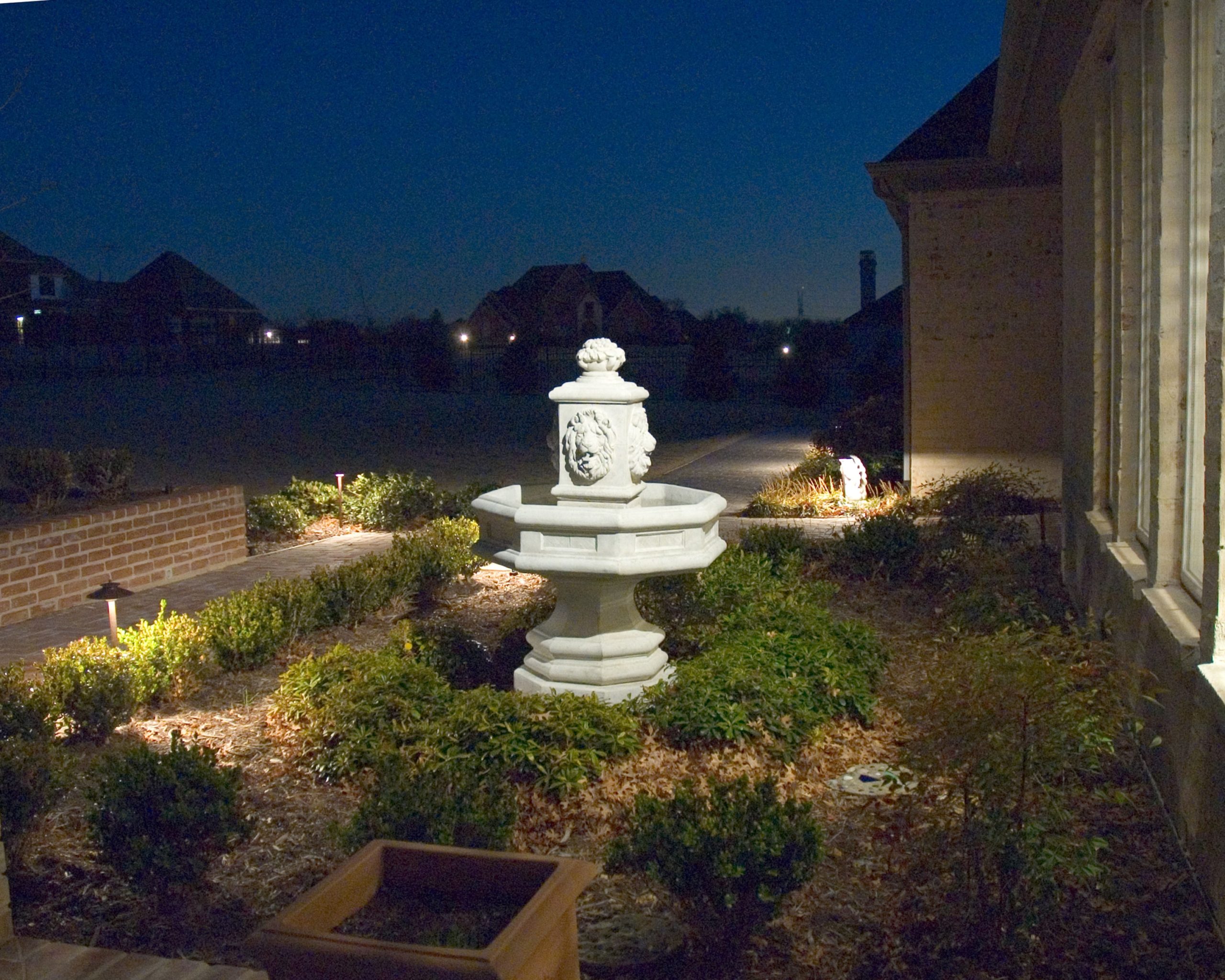
Cross Lighting
Illuminating a tree or statue from two or more sides to reveal a 3-D form for a striking perspective.
-
 My highest compliment- taking the time to recommend to my neighbors.....one of the lights got hit by storm debris- one phone call a year after install and repair done the next day! Thanks James! Love my lighting.

- James first completed our front of our house. We just hired him again after building our pool. He does stunning work. I'd highly recommend him.

-
 Jim and silver moon lighting is amazing! Great customer service, awesome informative consultation, love the demo and the lights look amazing and highlight the stonework and illuminate our home perfectly! It truly makes our house stand out in a great way in the evening!
- Good people. Good business

- I have done some work for James Fleming several times over the years and I've always been impressed with how detailed & precise he is with the end result that he shoots for.... Perfection!